
NY Building Series: Tudor City

Welcome to Tudor City, a charming planned community located in the heart of Manhattan's midtown east. This one-of-a-kind neighborhood consists of 13 unique buildings, including 11 co-ops, 1 rental, and 1 hotel. At its inception, Tudor City was meant to be a haven for the middle class, offering them a convenient and well-planned place to call home in the bustling city.
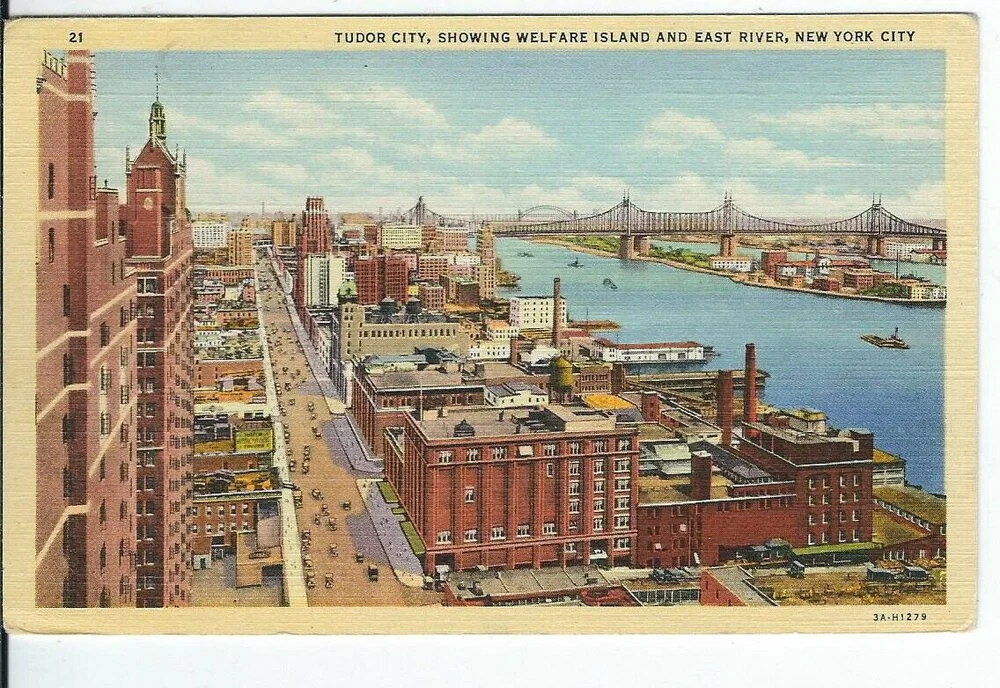
But, believe it or not, this area wasn't always so lovely. Before its transformation into a sought-after residential neighborhood, Tudor City was known for its industrial factories, including gas works, abattoirs, and even a glue factory. The area was a slum, with elevated railway lines and noxious fumes from the factories. However, the nearby Grand Central Terminal brought in commuters to the nearby offices, and a real estate operator saw an opportunity for middle-class apartments in the area.
The Fred F. French Co., a successful developer of both office and residential buildings, jumped at the chance to create a complex of apartments and residence hotels that would be convenient, well-built, and affordable. On December 18, 1925, plans were announced for what would become known as Tudor City. The development was designed with a Tudor Revival theme, featuring a range of details inspired by the Tudor era, including towers, balustrades, stained glass windows, carved wooden doors, and public lobbies with half-timbering and carved woodwork. No two buildings are exactly alike, adding to the charm and character of the neighborhood.
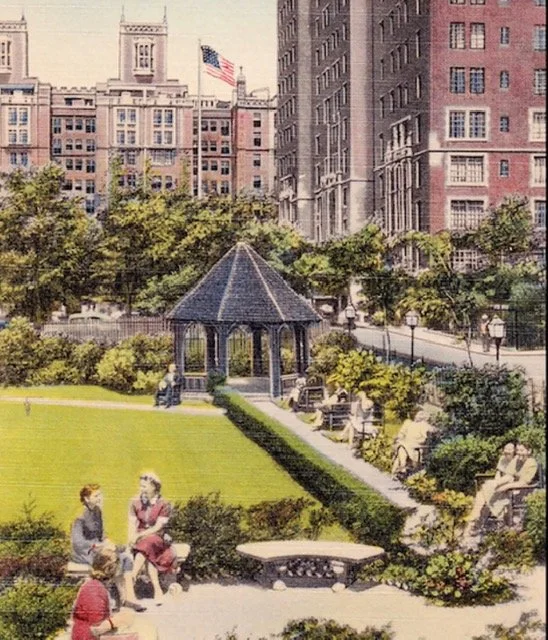
The buildings were built around two parks, which were initially not part of the plan but were later deemed essential and added to the ad campaign. These parks encompassed 64,000 square feet of space and were completed in 1927, featuring full-grown trees, flower beds, a miniature golf course, and other landscaping. Unfortunately, after WWII the area became known for its red light district, and rents fell. However, in the 80s new developers bought the buildings and worked to preserve the neighborhood as a historic landmark. In 1988, Tudor City became a registered New York Historic District and still maintains its charming character to this day, with cheaper rents and sale prices than surrounding neighborhoods.