
History of Pre-Fabricated Homes
The history of factory-built homes goes back several centuries, with the first known example of a prefabricated building being a small summer house built in 1793 for King Louis XVI of France. This early prefab was made of wood and was shipped in pieces to be assembled on site. In the early 20th century, companies began producing entire houses that were shipped in pieces and assembled on site. These early prefab homes were typically made of wood and were relatively simple structures. They were often used as vacation homes or as temporary housing for military personnel.
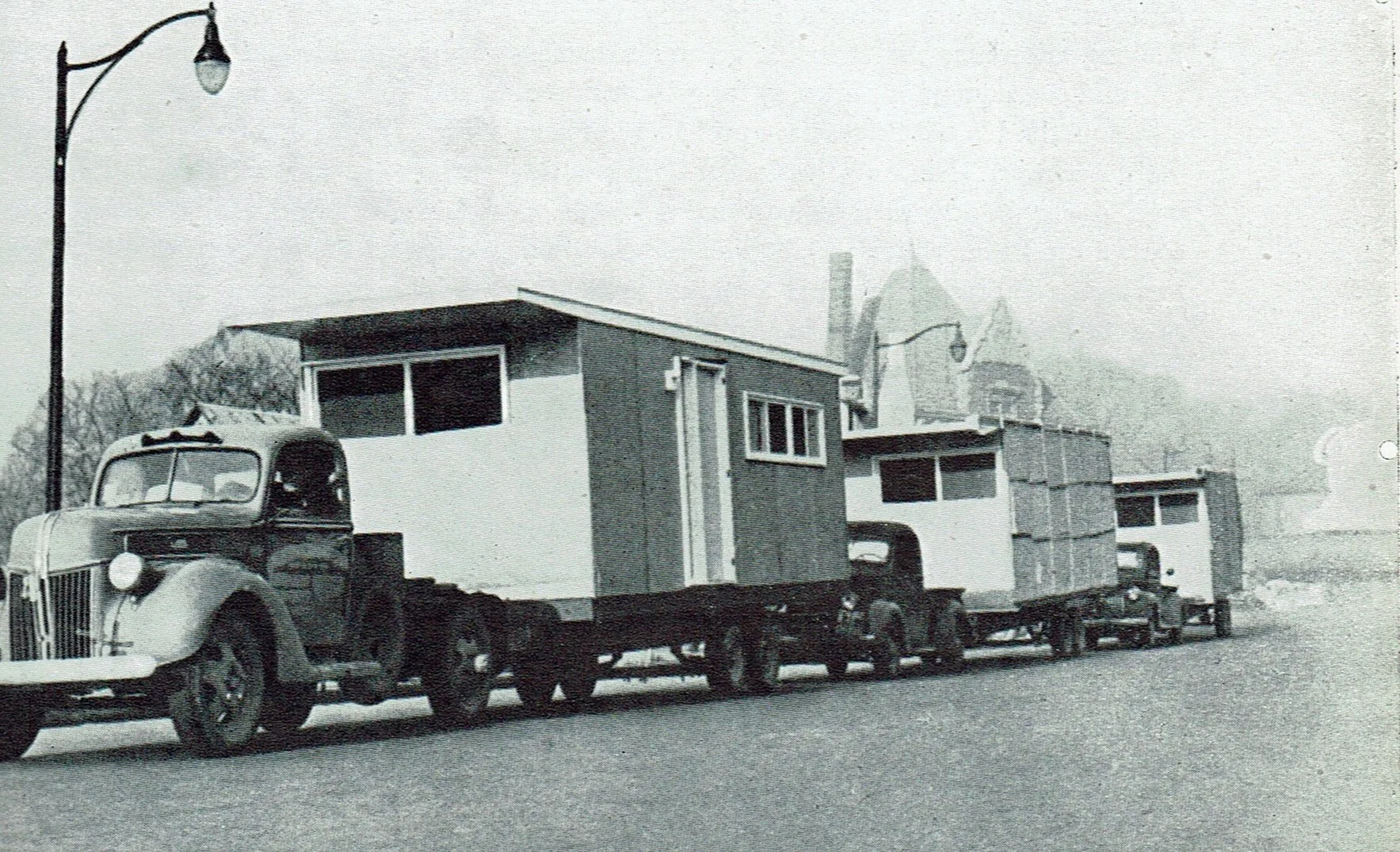
During World War II, the need for quickly built and affordable housing became even more pressing, and prefab homes gained popularity in countries such as the United States and United Kingdom as a way to address housing shortages caused by the war. Companies such as Sears, Roebuck and Co. in the US and the UK government's "Prefabricated Bungalow Scheme" helped to mass produce these homes and they were widely used to help address the housing crisis.

Pages from Sears catalogue showing Home Kits (Source Google)
In the 1950s and 1960s, manufactured homes gained popularity in the United States as a way to provide affordable housing for a growing population. These homes, which were built on a chassis and transported to their final location, were often referred to as mobile homes and were a popular choice for vacation homes or as temporary housing for military personnel.

However, in the 1970s, the U.S. government introduced stricter building codes for manufactured homes, and they came to be known as modular homes or factory-built homes. These homes are built in a factory to meet the same building codes as site-built homes, but they are typically more affordable and can be built more quickly.
Today, factory-built homes, including prefab homes, continue to be a popular option for those looking for a more affordable and efficient way to build a new home. They can be built to a variety of design specifications and can be customized to meet the needs of the homeowner. They are a popular choice for primary residences, vacation homes, and investment properties and advancements in technology and materials have made them more energy-efficient and environmentally friendly.
To learn more about whether or not a prefabricated structrucre is right for you and your next construction project, please set up some time to connect with us or drop us an email at hello@glojoy.co.