Brief History of Mamaroneck
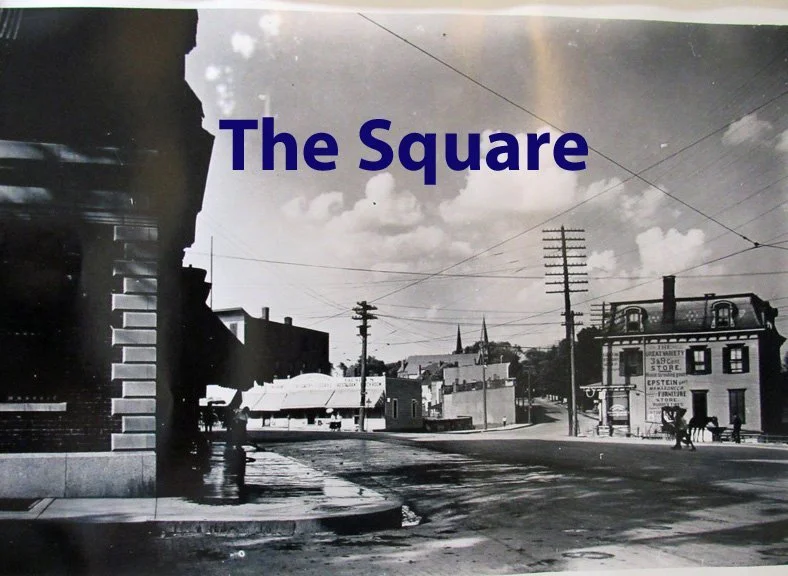
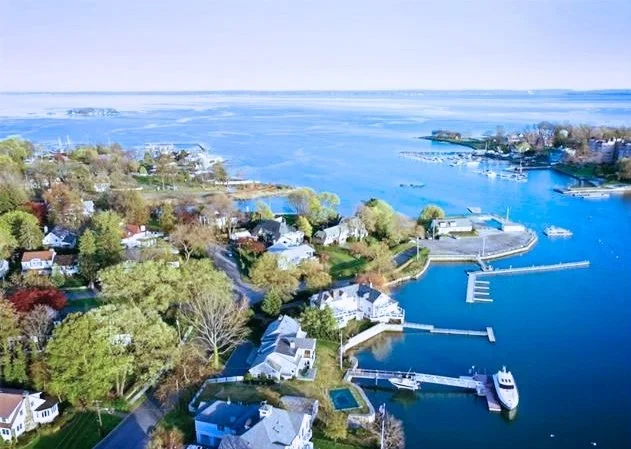
Nestled on the picturesque shores of the Long Island Sound, the town of Mamaroneck in Westchester County, New York, is a hidden gem with a fascinating history. From its humble beginnings as a colonial settlement to its transformation into a thriving suburban community, Mamaroneck has evolved while retaining its unique charm.
The area known as Mamaroneck was originally purchased by London merchant John Richbell. At the time, in 1661, he was a resident of Oyster Bay. He bought the land from the Siwanoy Indian Tribe who were part of The Algonquian people who were also called the Wappinger. He retained the name Mamaroneck, which in Wappinger means “where the fresh water meets the salt”. It was resold again in 1698 to Caleb Heathcote, the mayor of New York, and it developed into a farming community.
During the Revolutionary War in 1776, British troops occupied the town, but its resilient residents staunchly supported the American cause, for example, a British loyalist, William Lounsbery, was attacked and killed by a group of revolutionaries led by John Flood. The area also witnessed other skirmishes and military actions, embodying the spirit of patriotism.
As the 19th century dawned, Mamaroneck underwent significant transformations, thanks to industrialization and improved transportation. The construction of the New York and New Haven Railroad in the 1840s provided a direct link to New York City, attracting residents and fueling economic growth. One of Mamaroneck's claims to fame was its flourishing shipbuilding industry during the 19th and early 20th centuries. Along the waterfront, skilled craftsmen constructed a variety of vessels, ranging from fishing boats to elegant pleasure yachts, adding to the town's allure.
In the early 1920’s it became a movie making mecca. “According to the New York Times, "In those days the area was less the “East Coast Hollywood” than Hollywood was “the West Coast Mamaroneck.” The town boasted a distinction to which few communities could lay claim: a silent‐screen‐era movie studio." A former employee of D.W. Griffith's studio on Orienta, said "“In those days we'd get people like Mary Pickford, Douglas Fairbanks and Charlie Chaplin visiting. Even Mr. Rockefeller Sr., would come up from the city to see Mr. Griffith at the studio. I'm not fooling when I say Mamaroneck was more exciting than Hollywood back then.” Also in 1921 the Winged Foot Golf Club was constructed and opened in June 1923 and over the decades has hosted numerous US Opens and the 1997 PGA Championships.
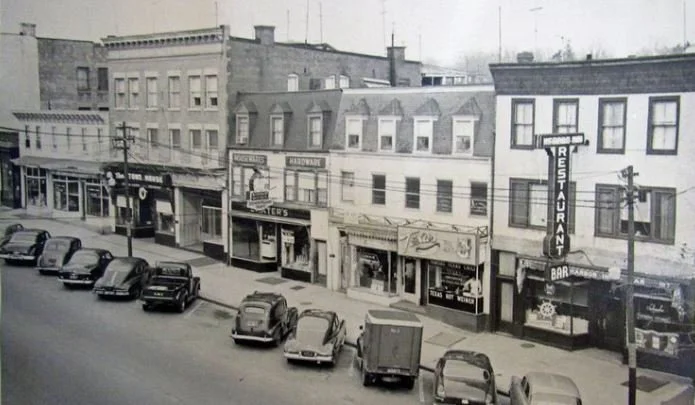
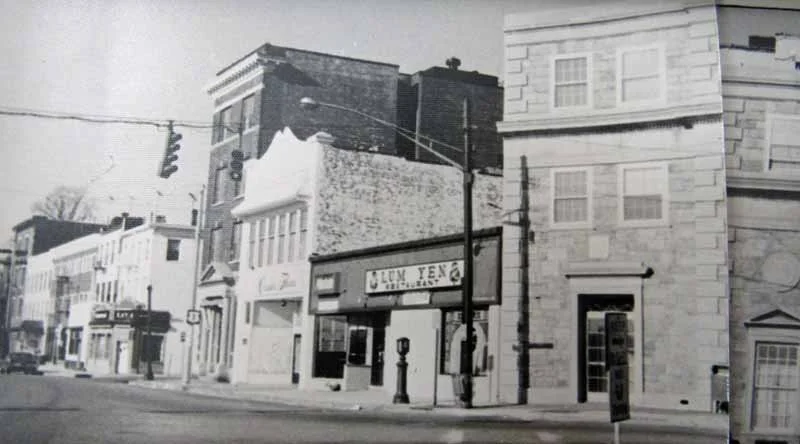
Following World War II, Mamaroneck experienced a wave of suburbanization, as urbanites sought a tranquil lifestyle away from the city. The town witnessed the emergence of new neighborhoods and housing developments, accompanied by a surge in residential growth.
Today, Mamaroneck stands as a vibrant and inviting community that seamlessly blends its rich history with modern amenities. Its residents take pride in the town's cultural events, excellent schools, and access to recreational opportunities along the stunning Long Island Sound. Whether you're captivated by its colonial heritage or seeking a picturesque suburban haven, Mamaroneck warmly welcomes you to explore its past while embracing its promising future.