Black History Month Architect and Designer Appreciation Part Three
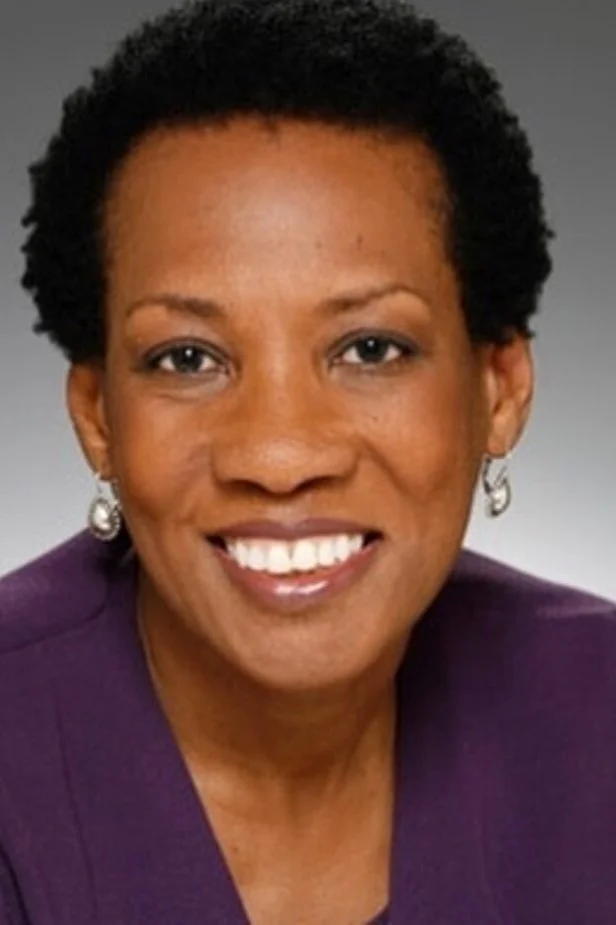
Roberta Washington: Roberta owned one of the first African American woman owned architectural firms in the country when she established her firm in 1983 in Harlem. Her firm designed Harlem’s first “green” building with more than 60% of the structure made up of recyclable or renewable materials. They also designed New Haven’s first LEED Gold Certified School. According to their website they focus on health facilities, educational facilities, and affordable housing projects and that RWA “strategizes to explore every opportunity to energize all participants toward creative and responsible solutions working sometimes within confining budgets” and that they didn't just create new buildings but restore old ones too and are able to make them green as well and we think all of that is just great! Roberta herself has been president of NOMA and chairperson of NYSBA. Thank you for paving the way for the younger generation we see you! @robertawashingtonarch
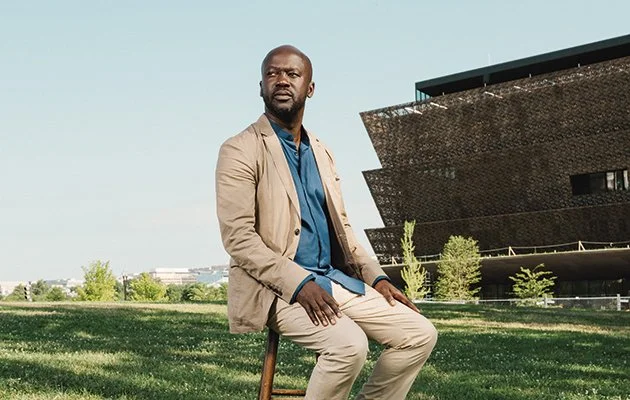
Sir David Adjaye: Sir Daicd is arguably one of the best architects out there. He was born in Tanzania and moved to Britain at age 9. He went to college for architecture and upon graduation in 1993 was nominated for the Royal Institution of British Architects Presidents Medals and won! He won Bronze Medal for the best design project produced at BA level. He established Adjaye Associates in 2000 and went on to do great things; skip ahead to 2017 he made Time's 100 most influential people list! His firm Adjaye Associates is responsible for museums, schools, offices, stores, and libraries across the world; most notably the Smithsonian National Museum of African History and Culture in Washington DC and the Nobel Peace Centre in Oslo. He’s even been knighted for his exceptional body of work and In 2021 the queen bestowed him with The Royal Gold Medal that is given to “a person or group of people who have had a significant influence either directly or indirectly on the advancement of architecture”. We would have to agree that he is more than deserving of these honours. @adjayeassociates @adjaye_fisual_sketchbook
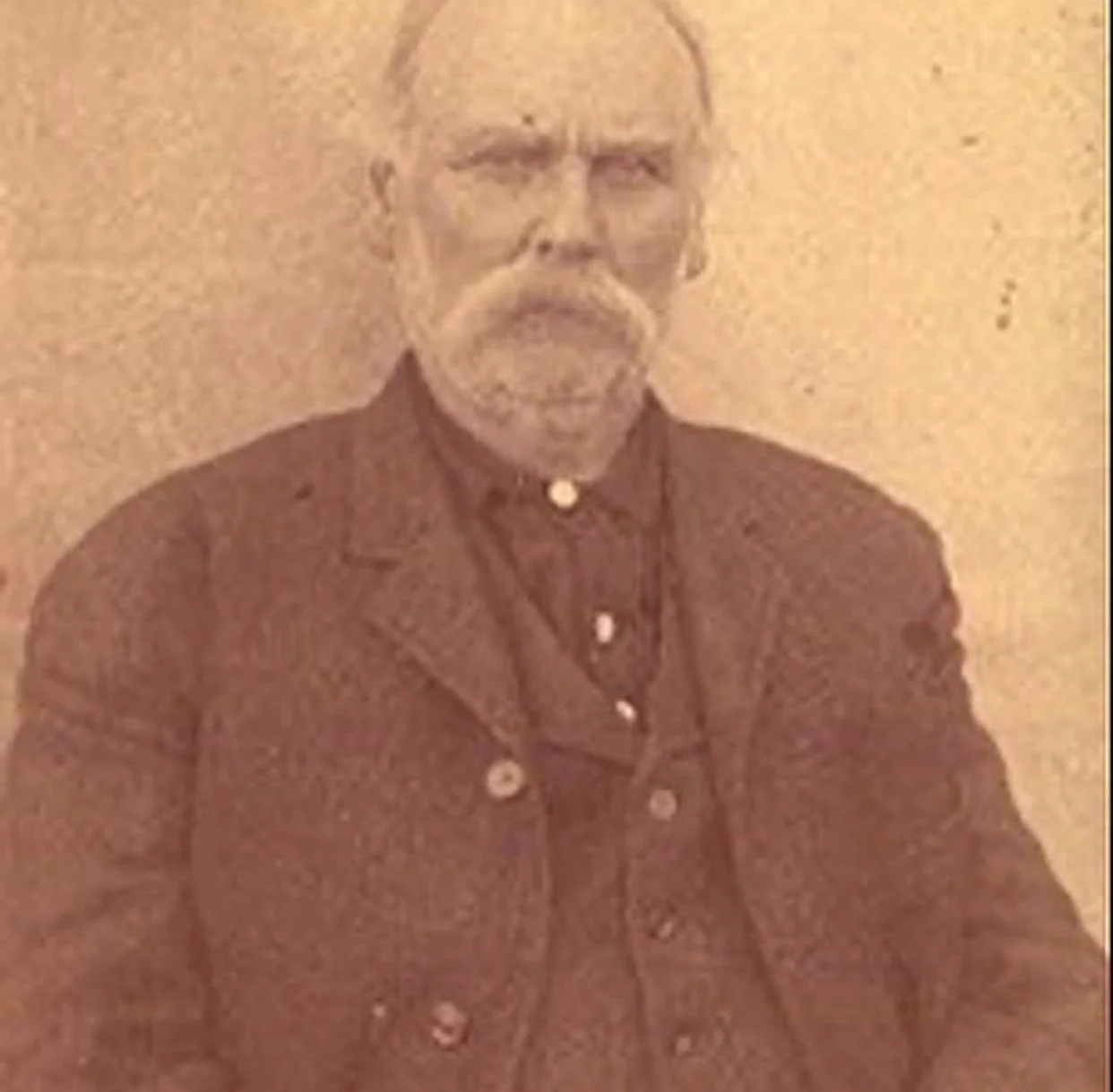
Vertner W Tandy & George Washington Foster Jr: Vertner W. Tandy and George Washington Foster Jr were the first two African American architects to be licensed in New York State and to open a firm in New York City. They opened a firm in 1908 and their first big project was designing the St. Philips Episcopal Church completed in 1911. They became the first two African Americans to gain licensure in New York State in 1916 and 1917 respectively. Madame CJ Walker, one of the most successful business women ever, commissioned Tandy to build her mansion in Irvington, NY built from 1916-1918 at an estimated cost of 250k (According to Google 250k then is worth roughly about 7.5 million now. Wow!) He was also notably the first Afrtican american ti pass the military commissioning examination and was commissioned First Lieutenant 15th infantry of the New York State National Guard. He died of pneumonia in 1949. Before George met up with Vetner he had a career of his own. He worked in the office of Henry Haedenbergh from 1888 to 1889 who designed the first Waldorf Hotel where the Empire State Building now stands, George would have worked on this project during his time there. Tandy and Foster closed their firm in 1914 and Foster opened his own in 1915 and stayed in business till he died in 1923. Thank you gentlemen for paving the way for the next generations, we’re sure it wasn’t easy.

Madam CJ Walker: Madam CJ Walker was not an architect or a designer however, she did employ the first black architects in New York, was the first woman millionaire, at a time when it was nearly impossible for woman to do for themselves let alone a woman of colour, she also did a lot for charities in her lifetime and we feel that is indeed worth honouring during black history month. Her early life was not an easy one but she worked hard to improve herself. She was born Sarah Breedlove, the fifth child born to slave parents, but the first child to be free born. Her parents passed away when she was only 7 and she was sent to live with her sister and brother-in-law in Mississippi where she picked cotton. At age 14 she got married mostly to escape her oppressive environment and abusive brother-in-law. She got pregnant and had a daughter, a couple years later her husband died and she moved to St. Louis where her brothers lived and were employed as barbers. She gained employment as a laundress and made barely more than $1 a day but it was just enough to send her daughter to school. There in St. Louis she met her next husband Charles J. Walker who worked in newspaper advertising and would later help promote her products. Over the next few years she began to lose her hair due to scalp issues and this caused her to experiment with home and store bought remedies. She also consulted with her barber brothers. Around this same time she started working with Annie Malone, selling her hair products, unfortunately over the years, their relationship soured and Annie became one of her biggest rivals. In 1905 she moved to Denver Co in effort to venture out on her own, with only $1.05 in her pocket she bravely did so. By 1906 she was going by Madam CJ Walker on the encouragement of her husband who said it was more marketable. By 1907 Walker and her husband traveled around the South and Southeast promoting her products and by 1908 she opened a factory and beauty school in Pittsburgh. In 1910 she transferred operations to Indianapolis because of the proximity to the train system to keep up delivery demands. The Madam CJ Walker Manufacturing Company had profits equivalent to a modern day several million dollars! She also made it a point to largely employ women. She strived to give women the ability to provide their own independence. She not only taught selling but budgeting skills as well. At a time when society gave them little choices she strived to give them as many as possible. She also freely gave to charity, she pledged 1k to help build a YMCA, 5K to the NAACP’s anti-lynching fund, and nearly 100k to different orphanages, institutions, and individuals over her lifetime. Truly a remarkable woman.

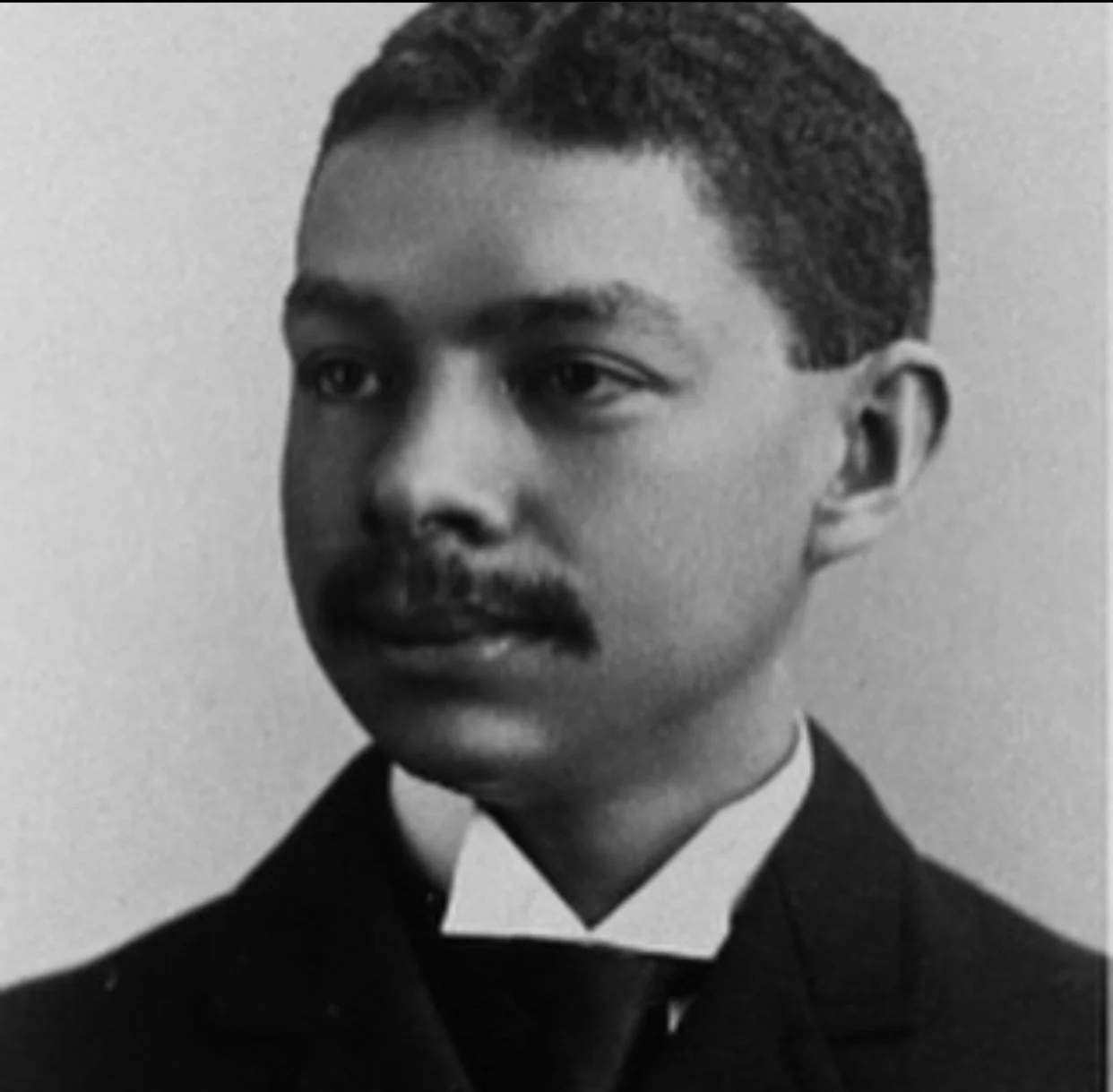
Robert Robinson Taylor: Robert Robinson Taylor (1868-1942) was the first African American graduate of MIT and then went on to teach and work at Tuskegee Institute. All four years he attended MIT he was above class average and earned honours in many subjects. He even held the Loring Scholarship for two consecutive years and may have been the first recipient. It was only given to those who proved their potential through hard work and superior performance. During his course of study at MIT he talked, in person, more than once, to Booker T. Washington, the founder of Tuskegee Institute. Washington was often on the lookout for qualified students to recruit for leadership roles at Tuskegee. It’s not certain exactly how he got wind of Taylor’s excellent record but he did and spoke to him about coming abroad. He had in mind for Taylor to develop the nascent industrial program and direct the construction of new buildings for the campus. Taylor did not accept the job right away but eventually did and went on to design much of the campus. The Science Building was first, in 1893, which as it sounds housed science classrooms and labs. The Chapel was built 1895-1899. The Oaks, which served as Washington’s private home and where he entertained all the great minds of the day, Huntington Hall (1899) was the women's dormitory. He also built most of the other buildings on the campus. His work was not only limited to Tuskegee AL, he designed buildings all over the US. In 1925 he became the VP of the Institute and didn’t leave until he retired in 1932. He had a long amazing career and he paved the way for the next generations. Truly a trailblazer!