Historic Hudson Valley & its Role in the Electric Revolution.
The Hudson Valley in New York State is rich with history. It’s beauty even inspired some stories still told today, and others you may not have heard too much about!
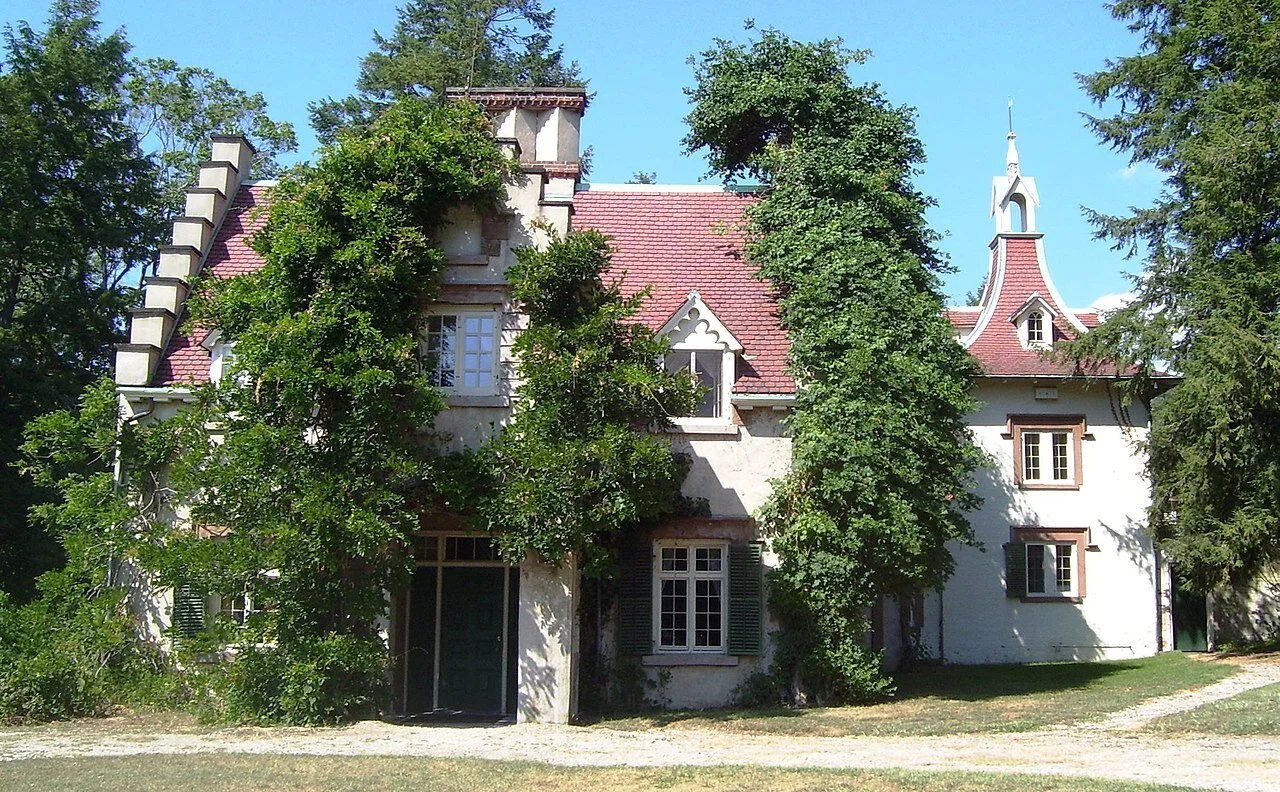
To start, we’ve all heard the Legend of Sleepy Hollow told and retold in a thousand different ways. Its origin is from Washington Irving’s original visit to the area in the late 1790’s to visit family and friends. That visit he hunted, fished, spoke to locals and the experience in the lush surroundings sparked the tale and… the rest is history! Later in 1835, he bought a home in Tarrytown, dubbed Sunnyside, where penned many more of his famous tales. You can still visit it today.
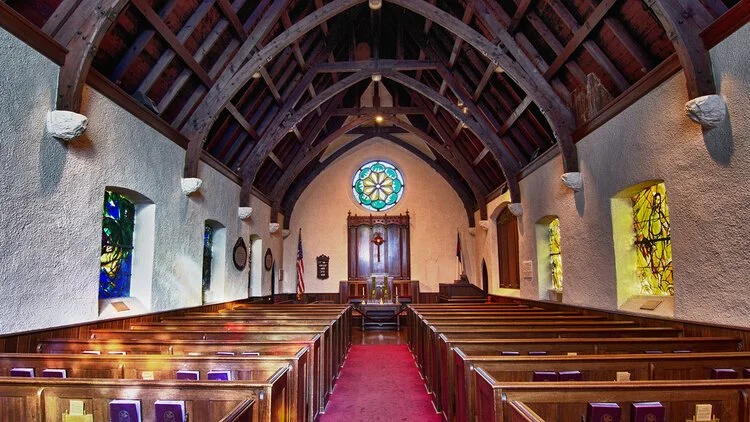
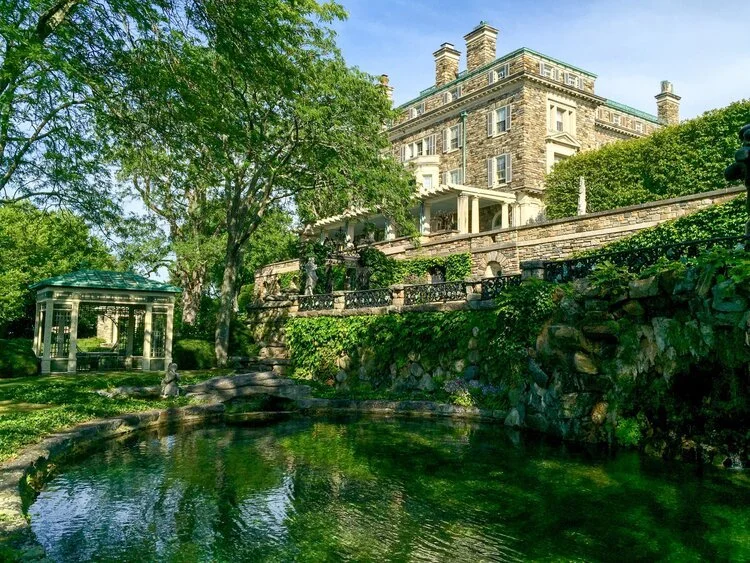
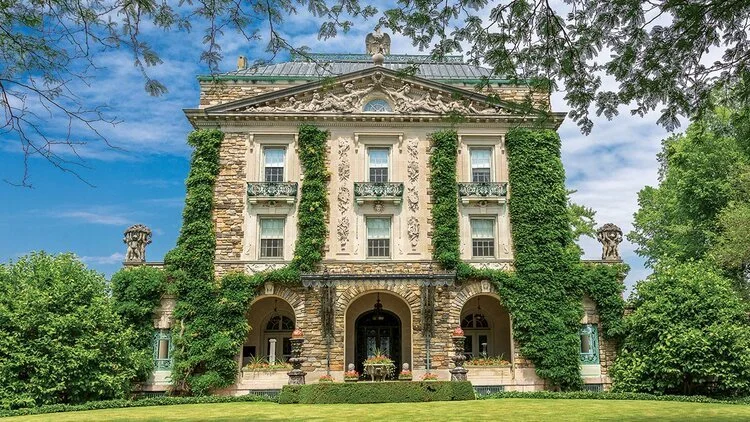
The Rockefeller family also played a large part in developing the Hudson Valley into the 20th Century and maintaining it into the 21st. They purchased a lot of the land and donated it back to the towns as churches, museums, parks, and other public spaces so the land could be preserved and enjoyed by all. One such place is the Union Hill Church of Pocantico Hills commissioned by the Rockefellers. It is a glorious structure of awe inspiring art with stained glass windows by Henri Matisse and Marc Chagall. In fact, it was Matisse’s last work. You can also visit the Rockefeller estate, Kykuit, in Sleepy Hollow, home to four generations of Rockefellers including the original philanthropist who started it all John D. Rockefeller. Today it is the site for the National Trust for Historic Preservation.

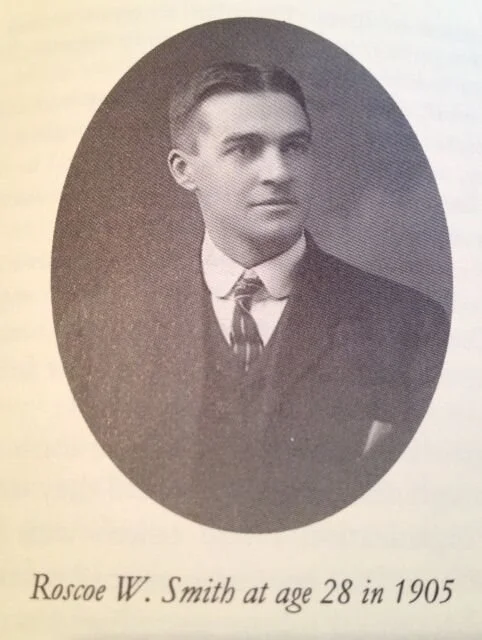
Beautiful buildings and lovely landscapes aren’t all that has come from the Hudson Valley, plenty of ingenuity and hard work did too. For example the story of Roscoe W. Smith the man who brought electricity to the Hudson Valley. Born in 1877, in what is now called The Village of Harriman, oldest of 7 children, Roscoe even at a young age, always had a head for business. By his early teens he had built a poultry barn and incubator to sell eggs, tapped maple trees to make syrup, sold newspapers, and worked in a restaurant. A natural mechanic he taught himself how to wire houses and barns for doorbells and alarms. Rather than go to college like his siblings he chose to work and got a job at the local power plant making $30 a month. Unfortunately the plant shut down a few years later. However he got a new job at a different plant earning even more money, $85 a month, and got a chance to broaden his knowledge on engines, power wheels and switch boards, and even got to build power lines.
His experience made him certain he could bring electricity to his home town. About this same time in his life he was courting a young woman, Ina Miller, he intended to marry. Luckily she felt the same and they wed. He also had a side hustle buying land and building houses. At 28, he was elected a director of the Suffern Building and Loan Association, the youngest such bank director in the state. Did we say he was industrious?!
By now it was 1905 and for better or worse he was ready to start his own company, Orange Utilities. At the beginning it was for the worst. His total receipts for the month was less than $42. However after several months they were up to $550. In 1909 he had enough capital to get a loan to acquire another power company and to many stockholders this was a foolhardy move and they pulled out. Too bad for them! After that, very smart business move, the power company continued to grow and make profits every day after that.
Though the company grew in 1909 it was still a modest operation, the office was his home, the bookkeeper his wife, and he paid himself a modest income of $75 a month, less than he made at his old. On snowy days, he donned snowshoes to walk to the plant to fix things. However due to the low overhead it grew quickly and was able to acquire power companies in nearby towns. Over the decades it kept growing till it was the dominant power company in the area. In 1955, in honor of its 50th anniversary, General Electric called Smith “the dean of all utility presidents in the United States.”
in his later years Mr. Smith became a philanthropist donating properties to the community for public use. He had never stopped buying property and buildings. He used many of them to house all his collectibles as he was also a well known life long collector of Americana. In fact he had 16 to house them all! There is even a museum dedicated to his collection and his life, Museum Village of Old Smith’s Clove which opened in 1950 and is still open to today. Mr. Smith died in 1976 at the age of 99.