
October 2024 Construction Industry Highlights: Key News, Events, and Emerging Trends
October delivered exciting developments across the construction industry, particularly in modular construction, sustainability, workforce recruiting, and the push for accessible, compliant spaces. Here’s a round-up of the biggest industry updates we’re keeping an eye on.
1. Modular Construction Continues to Set the Pace
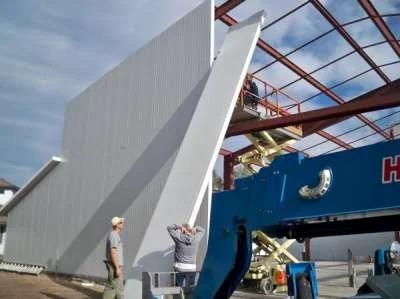
Modular construction is at an all-time high as the demand for cost-effective, fast-built solutions skyrockets. October saw leading modular firms ramping up production, especially in urban markets where faster build timelines give businesses a leg up on high leasing costs. (Source).
2. Advancements in Sustainable Building Materials
Eco-friendly construction materials are gaining serious traction, and this month’s GreenBuild International Conference spotlighted innovations like carbon-absorbing concrete, recycled steel, and hemp-based insulation. For projects that prioritize sustainability, these materials provide high-performance alternatives with real staying power, ideal for environmentally-conscious commercial spaces.
3. Accessibility Compliance on the Rise in Commercial Spaces
Accessibility upgrades are a growing focus in commercial properties, as owners aim to meet ADA standards and avoid potential liabilities. October brought this into sharper view with several high-profile cases that underscored the importance of inclusive design. Beyond compliance, these updates open doors to a broader client base and reinforce responsible business practices.
4. Worker Safety and Mental Health Are Front and Center
This year’s National Construction Safety Week in October reminded us of the critical need for both physical safety and mental health support on jobsites. Companies are focusing on fall prevention, substance abuse resources, and mental health awareness to better support their teams. Safety programs are evolving, and there’s no doubt a well-rounded approach helps boost team morale and keep productivity high.
5. Tech Innovations Drive Jobsite Efficiency
October delivered exciting advancements in jobsite technology, including new AI-powered project management tools and digital twin modeling for real-time site tracking. Drones, analytics, and predictive AI are helping contractors monitor projects, make accurate labor forecasts, and optimize supply chains. These tools translate to fewer delays, lower waste, and greater overall efficiency on even the most complex projects.
6. Historic Preservation and Adaptive Reuse Trends Gain Traction
Historic preservation and adaptive reuse are becoming priorities for cities focused on retaining cultural character in modern development. October’s National Historic Preservation Month celebrated adaptive reuse projects that breathe new life into historic properties, and cities like New York are offering incentives for eco-friendly upgrades that respect a building’s past while meeting today’s standards.
7. Hiring Trends: Addressing Labor Shortages in the Skilled Trades
The industry-wide shortage of skilled tradespeople remains a challenge, but firms are stepping up recruiting and retention efforts. This October, many companies increased wages, enhanced in-house training, and partnered with apprenticeship programs to build strong talent pipelines. Labor data shows that technology is helping firms stay efficient with smaller, more specialized crews, while ongoing training ensures projects are staffed with experienced hands.
8. Commercial Real Estate Market Adjustments
Shifting tenant needs and high vacancy rates are reshaping commercial real estate strategies. October saw increased interest in mixed-use developments, affordable housing, and collaborative workspaces. Flexible leasing options and co-working spaces are growing trends, with the market favoring versatility and adaptability in design.
Plan Ahead for 2025: Reduce Risk, Improve Costs, and Make Data-Driven Decisions
As we close out 2024, the construction landscape continues to evolve, and the opportunities ahead are significant. Now is the perfect time to plan for future projects or capital improvements, to analyze costs, and to evaluate potential risk factors. Whether it’s investing in sustainable materials, enhancing jobsite tech, or expanding recruitment initiatives, proactive planning now can set the stage for smoother operations and more strategic growth in 2025.