
Fashion’s Influence on Interior Design and Trends.
As an ex-model turned co-founder of a design + build construction company, I’ve had the unique opportunity to view the world of fashion and interior design from both sides. The synergy between fashion and interior design is powerful, and understanding this relationship can lead to the creation of truly inspiring spaces.
The Intersection of Fashion and Interior Design
Fashion and interior design both serve as expressions of personal style and cultural trends. They go beyond aesthetics, conveying moods, telling stories, and evoking emotions. Here's how fashion influences interior design in construction and architecture:
1. Color Palettes
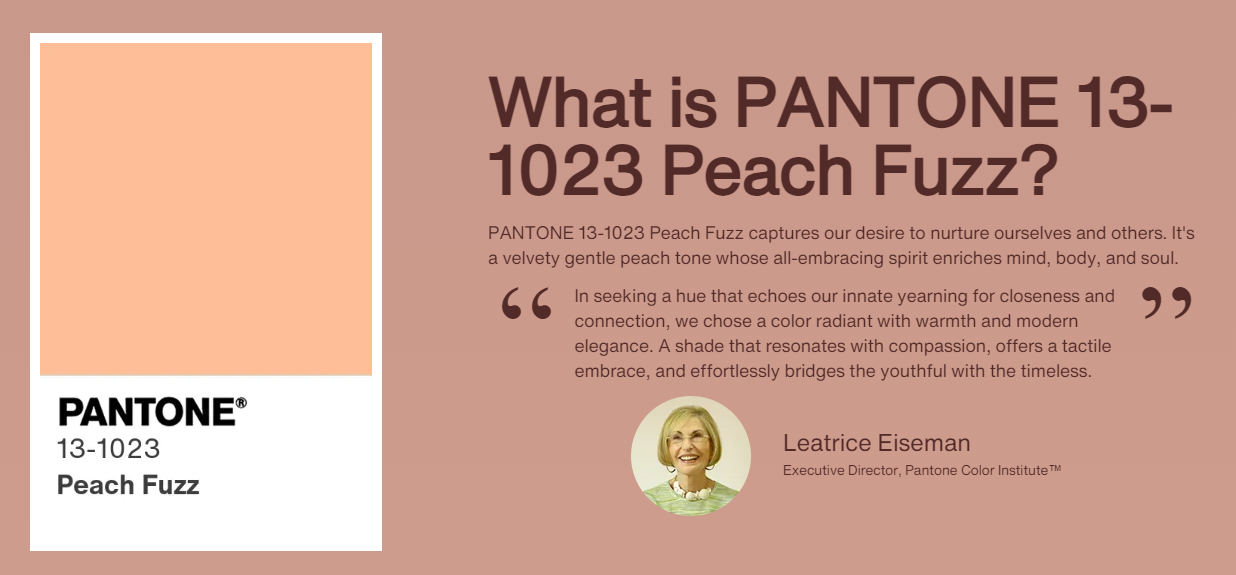
In fashion, colors are carefully chosen to convey a season, a mood, or a trend. The same principle applies to interior design. The Pantone Color Institute, known for its influence in fashion, also impacts interior design by announcing the Color of the Year. These colors often make their way into paint choices, furnishings, and décor accents in homes and commercial spaces.
2. Textures and Materials
Fashion designers experiment with various fabrics and textures, from luxurious silks to rugged leathers. These textures often inspire interior designers when choosing materials for furniture, wall coverings, and other elements of a space. For instance, a trend in metallic fabrics on the runway might translate to metallic finishes in light fixtures or decorative accessories in a home. You can tell a lot about a designer or architect by looking at what they wear, how they carry themselves, and their past designs.
3. Patterns and Prints
Patterns that make a statement in fashion often find their way into interior design. Bold prints, geometric patterns, and intricate designs seen in clothing can be mirrored in wallpaper, upholstery, and even floor tiles. The repetition of these patterns creates a cohesive look that ties the space together, much like a well-coordinated outfit. One of our favorite recent examples of this is interior designer Young Huh’s special collection for ADKO, revealed at Sideli Studio in Westchester County, New York, this June.
4. Functional Design
Fashion isn’t just about looks; it’s also about functionality. This concept translates directly to interior design, where the usability of a space is just as important as its appearance. Just as a well-designed dress combines form and function, a well-designed room combines aesthetics with practicality.
5. Sustainable Choices
The fashion industry’s shift towards sustainability has also influenced interior and architectural design. Eco-friendly materials, repurposed items, and sustainable practices are becoming increasingly popular in both fields. For example, the use of organic fabrics in fashion mirrors the use of reclaimed wood and recycled materials in interior design.

Fashion and interior design are inextricably linked, each influencing and enhancing the other. As an ex-model turned interior designer, I’ve seen firsthand how trends in one field can inspire and elevate the other. By understanding and embracing this relationship, we can create spaces that are not only beautiful but also reflective of our personal style and the cultural zeitgeist. Whether you’re drawing inspiration from the latest runway show or a classic fashion era, remember that the principles of fashion can guide you in creating a space that is truly timeless and chic.