
Building Tomorrow: Addressing the Skilled Labor Shortage in Construction
The construction industry has long been a cornerstone of global economic progress. However, it currently faces a critical hurdle with a shortage of skilled tradespeople and laborers, particularly as baby boomers retire. This challenge not only jeopardizes the industry's future but also has far-reaching effects on the broader economy.
The baby boomer generation, comprising individuals born between 1946 and 1964, forms a substantial portion of the construction workforce. According to the Bureau of Labor Statistics, over 4 million construction workers in the United States are aged 55 or older. As these experienced workers leave the workforce, there is an urgent need to replenish it with skilled tradespeople and laborers.
Yet, the industry struggles to attract enough workers to meet this demand. Reasons for this shortage include a lack of enthusiasm among young people for trades and construction jobs, a continued stigma around blue collar work, limited exposure and training opportunities, and, of course, the overall aging of the population. Not to mention, it’s no secret that today's youth are often steered towards pursuing college degrees and white-collar careers, seen as more prestigious and financially rewarding.
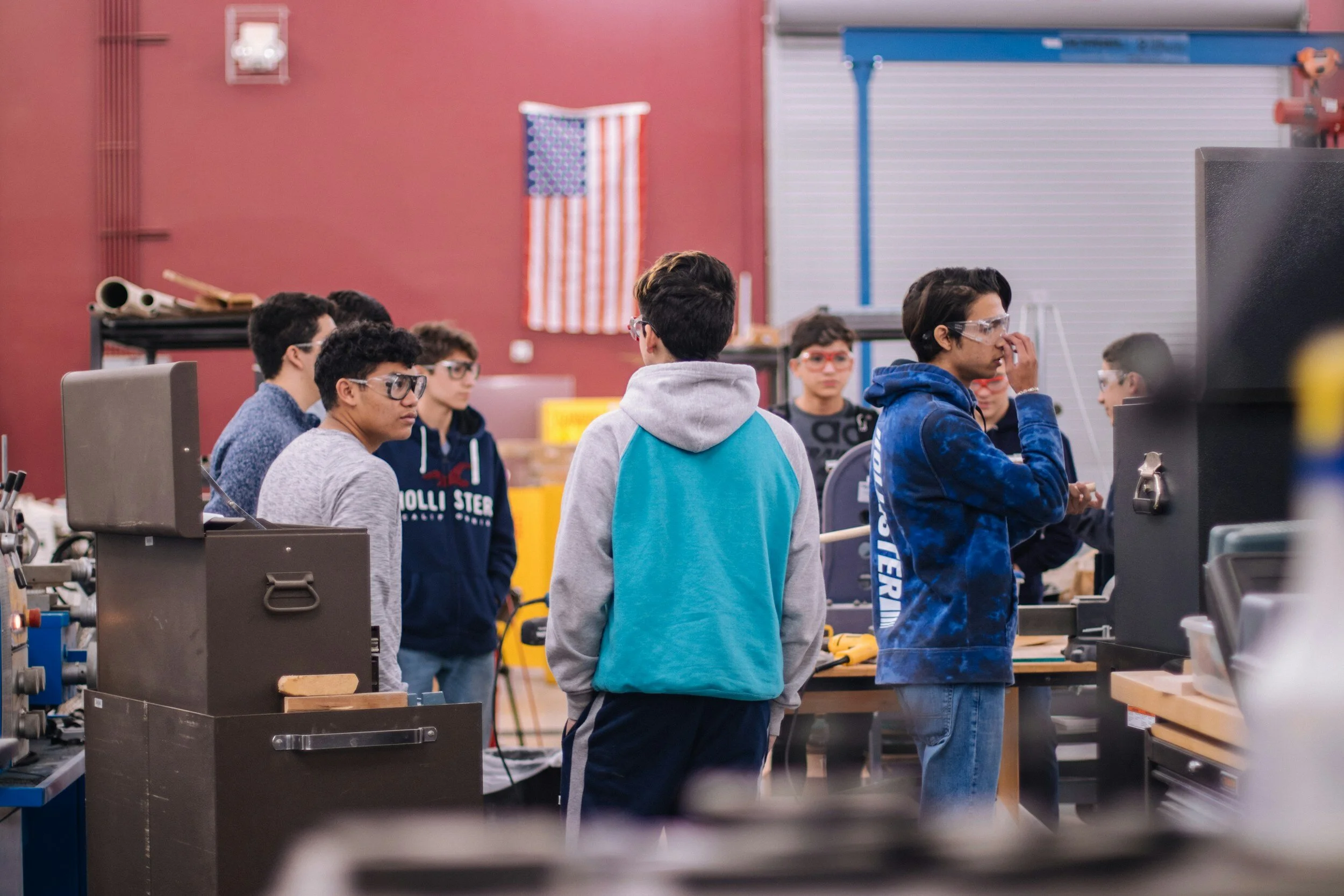
Additionally, because we have not really been promoting careers in the trades for nearly two generations now, and shop classes have been removed from most state schools altogether, there exists a gap between the skills employers seek and those possessed by potential employees. This discrepancy leads to challenges where employers struggle to find workers with the required skills and experience, while workers face difficulty finding jobs that match their expertise.
The shortage of skilled trades and labor isn't just an industry issue; it also impacts the wider economy. Construction plays a pivotal role in driving economic growth, and a scarcity of skilled workers can result in project delays and increased costs. This, in turn, affects other sectors reliant on construction, such as real estate, finance, and manufacturing.
To tackle this shortage effectively, we at GloJoy feel a multifaceted strategy is necessary. First and foremost, we must shift the perception of trades and construction careers among young people, highlighting their advantages such as competitive pay, job security, and the endless opportunities for growth. Additionally, increasing exposure, the availability of training programs and streamlining certification processes will make it more accessible for individuals to join the industry.

Bringing more women on board, as well as individuals transitioning from other careers, can significantly contribute to filling the skilled labor gap in the construction industry. By marketing the industry effectively to attract these demographics, we can tap into a diverse talent pool and bring in fresh perspectives and innovative ideas. Women, in particular, have been historically underrepresented in the construction sector, but they possess valuable skills and talents that are highly relevant to the industry's needs.
Moreover, embracing technological advancements and innovative practices can enhance productivity and efficiency in the construction sector. Improving the industry culture, particularly the alignment between employers, trade partners, workers and other key stakeholders is equally crucial. By leveraging new technologies like BuilderTrend, we can reduce the overall demand for labor while simultaneously attracting younger generations interested in cutting-edge industries.
So in summary, the shortage of skilled trades and labor in the construction industry is a pressing challenge that requires immediate attention. By implementing a comprehensive approach that addresses perception shifts to make the industry more inviting, enhances training opportunities, improves job matching, and embraces technological innovation, we can ensure the industry's resilience and continued contribution to economic growth in the years ahead.