
Billionaire Tech Dropouts Who Rewrote the Rules of the Modern World
“Higher education” is traditionally framed as the definitive roadmap to success. The standard script dictates that you attend a prestigious university, secure a degree, and climb the corporate ladder to win big or “make it” in life. Yet, some of the most disruptive forces in modern history completely abandoned this narrative, walking away from the lecture hall to build their own business empires.
Because most frown upon the construction industry, today I'd like to focus on the tech sector, one widely respected and admired by the masses and still seen as a reputable career. In a field that supposedly demands the highest levels of formal training and technical certification, it is a profound irony that the entire foundation of our digital civilization was dug by college dropouts. By trading textbooks for code and campus life for startup grit, a select group of founders did something much larger than building multi-billion-dollar companies, they entirely restructured how humanity travels, communicates, transacts, and lives.

Credit: Corbis via Getty Images, Creator: Doug Wilson
The story of modern technology is fundamentally a story of defiance. It began when a young Bill Gates walked out of Harvard University in 1975. Driven by a radical vision to put a computer on every desk and in every home, Gates co-founded Microsoft. At the time, computers were niche hobbyist machines reserved for large corporations and institutional scientists. By standardizing consumer software and making intuitive operating systems accessible, Gates kickstarted the personal computing revolution and turned the PC into the essential foundation of the global economy.
Credit: Tom Munnecke/Getty
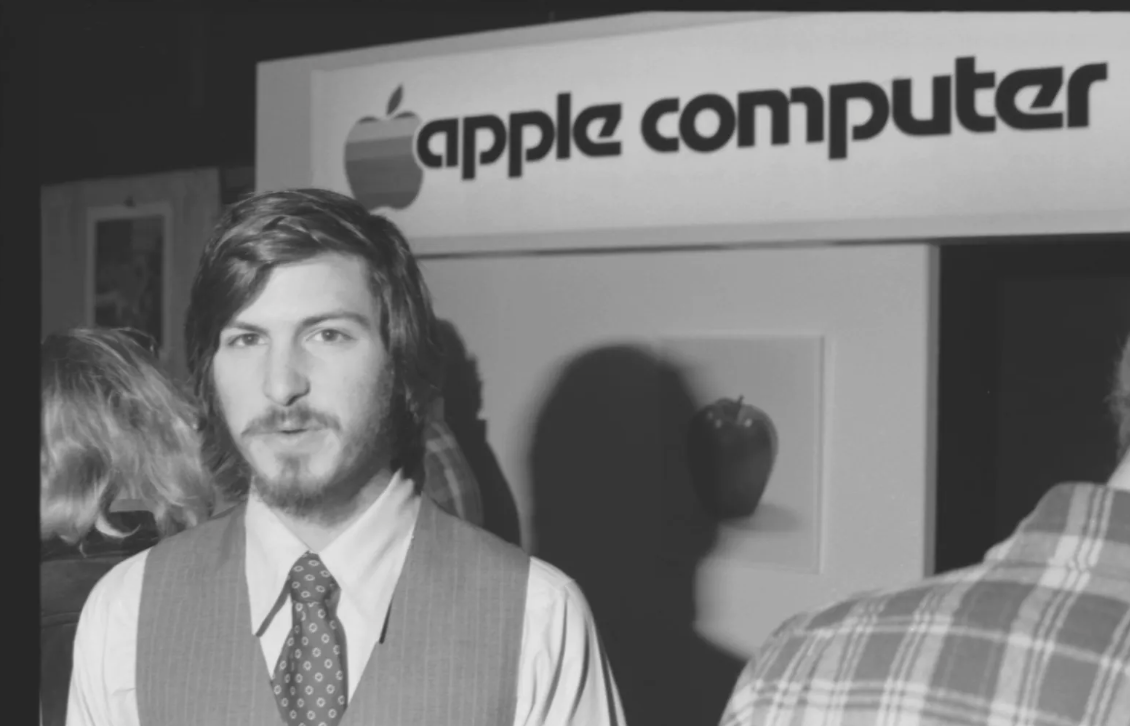
Shortly after Gates left Harvard, Steve Jobs made a similar leap on the opposite side of the country. Jobs dropped out of Reed College after just one semester, but he continued to audit the classes that genuinely interested him, including calligraphy. This obsession with aesthetics ultimately shaped Apple, the company he co-founded to blend computing power with intuitive, elegant design. Jobs went on to transform multiple global markets. He reinvented personal computing with the Mac, disrupted digital music consumption with the iPod, and completely redefined the mobile landscape with the iPhone, permanently changing how humanity interacts with the digital world on a daily basis.
Credit: Business Insider
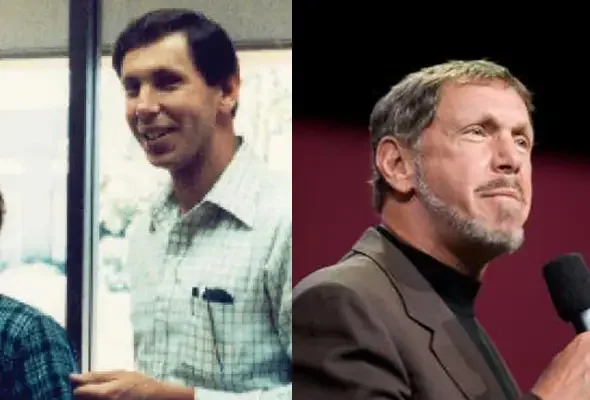
While Gates and Jobs laid the hardware and software consumer foundations, Larry Ellison built the hidden engine that powered the data age. After dropping out of both the University of Illinois and the University of Chicago, Ellison co-founded Oracle. Long before the cloud or the consumer internet could scale, the corporate world needed a way to organize massive amounts of information. Ellison built the enterprise software and relational database backbone that almost every major corporation, bank, and government agency still relies on today, proving that backend infrastructure could be just as lucrative and impactful as consumer tech.
Credit: Facebook / UT Austin
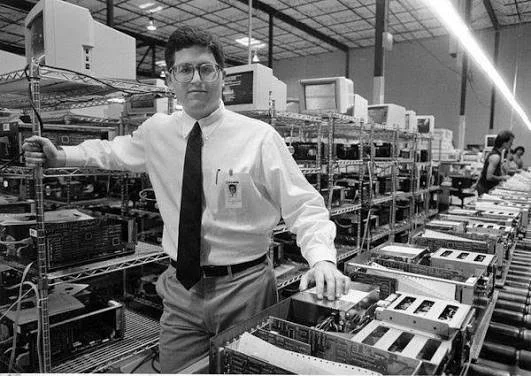
As personal computers began to take off globally, Michael Dell looked at the hardware industry and saw a massive logistics inefficiency in how they were sold. As a freshman at the University of Texas at Austin, Dell dropped out to bypass traditional retail middlemen entirely. By selling custom-built computers directly to consumers, his company pioneered build-to-order manufacturing and hyper-efficient supply chain models. This structural shift fundamentally drove down costs across the hardware industry, making computing affordable for the masses and forcing competitors to completely reinvent their operations.
Credit: Google Gemeni AI generated
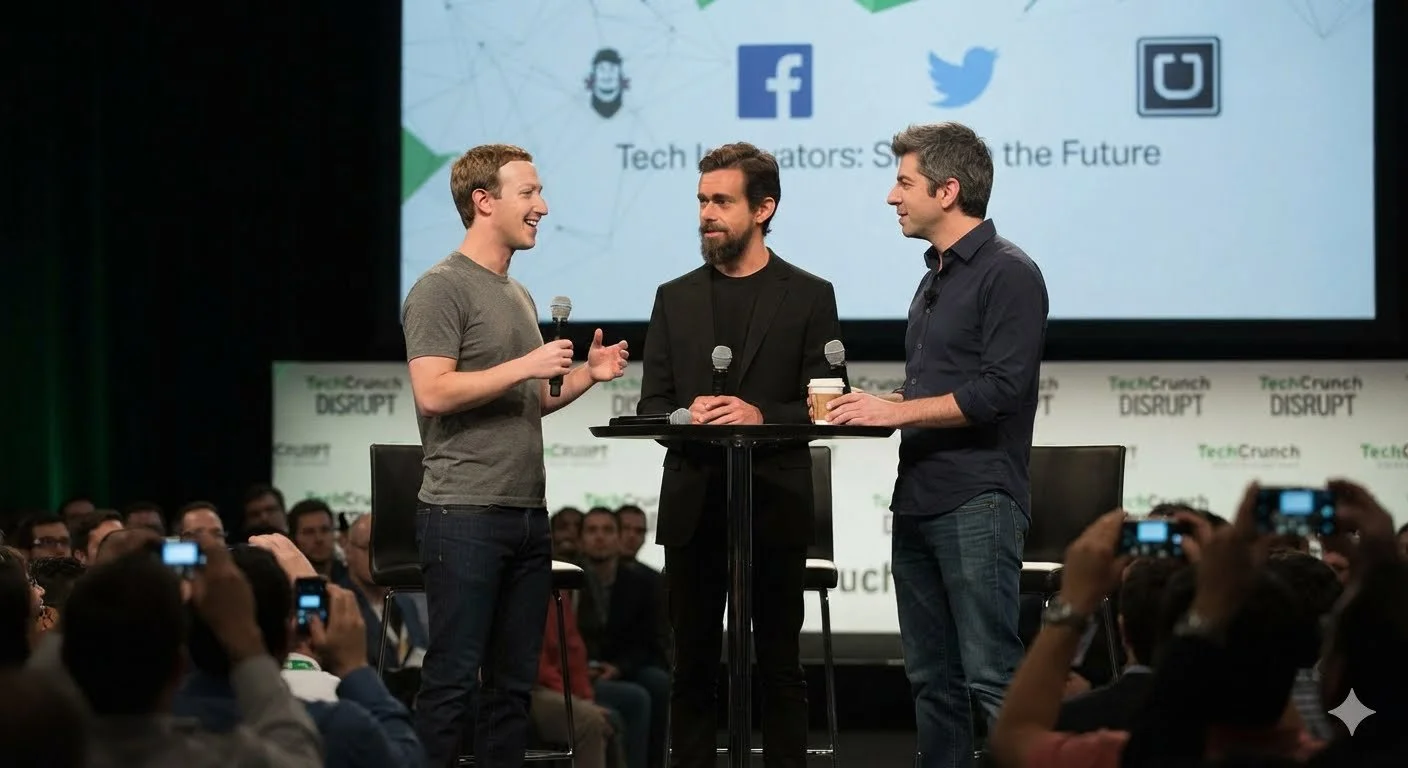
Decades later, the next generation of dropouts arrived to digitize human relationships. Mark Zuckerberg walked away from Harvard University during his sophomore year to focus entirely on a dorm-room project called Facebook. Zuckerberg took the fundamental concept of human connection and digitized it at a global scale. By scaling Meta into a social media empire, he altered how billions of people communicate, how news is distributed, and how modern digital advertising functions, creating a completely new fabric for global society.
The dropout blueprint eventually expanded from the purely digital world into physical, real-world infrastructure. Travis Kalanick left UCLA to pursue tech ventures, eventually co-founding Uber and targeting urban transportation. Kalanick looked at the traditional taxi industry and saw an outdated system ripe for algorithmic efficiency. By pioneering the smartphone-centric ridesharing model, he did not just change how people get from point A to point B, he birthed the modern gig economy and forced the global logistics industry to reinvent itself around on-demand applications.
Simultaneously, Jack Dorsey was preparing to disrupt two massive industries at once after dropping out of NYU. With the launch of Twitter, Dorsey redefined real-time public discourse and global media layouts, creating a platform where history was logged by citizens and leaders as it happened. Not content with changing communication, he co-founded Square to decentralize financial services. By giving millions of independent, mobile merchants the ability to accept digital card payments anywhere, Dorsey leveled the playing field in global commerce.
Ultimately, these leaders prove that true innovation is not always born within the structured confines of a classroom. It requires a specific type of defiance, specifically the willingness to spot a systemic inefficiency, drop the traditional script, and build the future from scratch. While the traditional academic path remains vital for millions, these dropouts proved that when you have the vision to rewrite the rules of the world, sometimes you have to leave school to get started.